Having spent over 20 years in the tech industry, I've seen how quickly things can evolve—and how those changes shape our world. The future of technology is full of potential, but it also brings with it a lot of questions. It's not just about the latest gadgets or smarter software anymore—it's about how these advancements will fundamentally change how we live, work, and connect with one another.
Artificial intelligence (AI) is already part of our everyday lives, but it’s set to become even more transformative. From automating repetitive tasks to solving complex problems, AI will boost efficiency across industries. But while businesses stand to benefit, the shift will also impact jobs. Many roles will evolve or disappear, creating the need for new skills and new ways of working. The challenge will be ensuring people are prepared for the changes ahead by offering opportunities for reskilling and embracing jobs that require human creativity and emotional intelligence—things machines just can't replicate.
Quantum computing is one of those game-changing technologies that still feels a bit like science fiction, but it's coming sooner than we think. With its ability to solve problems current computers can’t even scratch the surface of, quantum computing could revolutionize everything from healthcare to energy. It could lead to breakthroughs like new medicines or more efficient renewable energy. But with all this power comes responsibility—especially in areas like cybersecurity, where we’ll need to rethink how we protect our data.
The Metaverse—the idea of immersive virtual worlds where we can work, socialize, and play—is becoming more real with advancements in augmented reality (AR) and virtual reality (VR). Imagine attending meetings, concerts, or even hanging out with friends, all from a digital space. While the potential is exciting, it also raises questions about privacy, mental health, and how much time we should spend in digital spaces versus the real world. As we build these new environments, it’s essential to balance embracing new experiences and staying grounded in reality.
Biotechnology advances like gene editing and neural interfaces are opening doors we could only dream of a few years ago. From eliminating genetic diseases to augmenting human capabilities, the possibilities are huge. However, we also need to consider the ethical implications. How far should we go in altering the human body? And how do we ensure that these advancements benefit everyone, not just those who can afford them?
One of technology's most significant roles in the future is helping us combat climate change. AI can optimize energy use, and renewable energy technologies will help us reduce our dependence on fossil fuels. But beyond that, we need to rethink how we design and build our technology—focusing on sustainability at every step, from manufacturing to energy consumption. To make a real difference, sustainability must be at the core of every innovation.
As we continue integrating technology into every part of our lives, privacy and ethics are becoming more pressing. How companies collect, use, and protect our personal data needs to be transparent, and we need regulations to ensure that technology is used responsibly. Technologies like facial recognition and AI-driven decision-making offer incredible benefits but also carry risks of misuse and bias. It’s up to both tech companies and policymakers to create a framework that fosters innovation while protecting our rights.
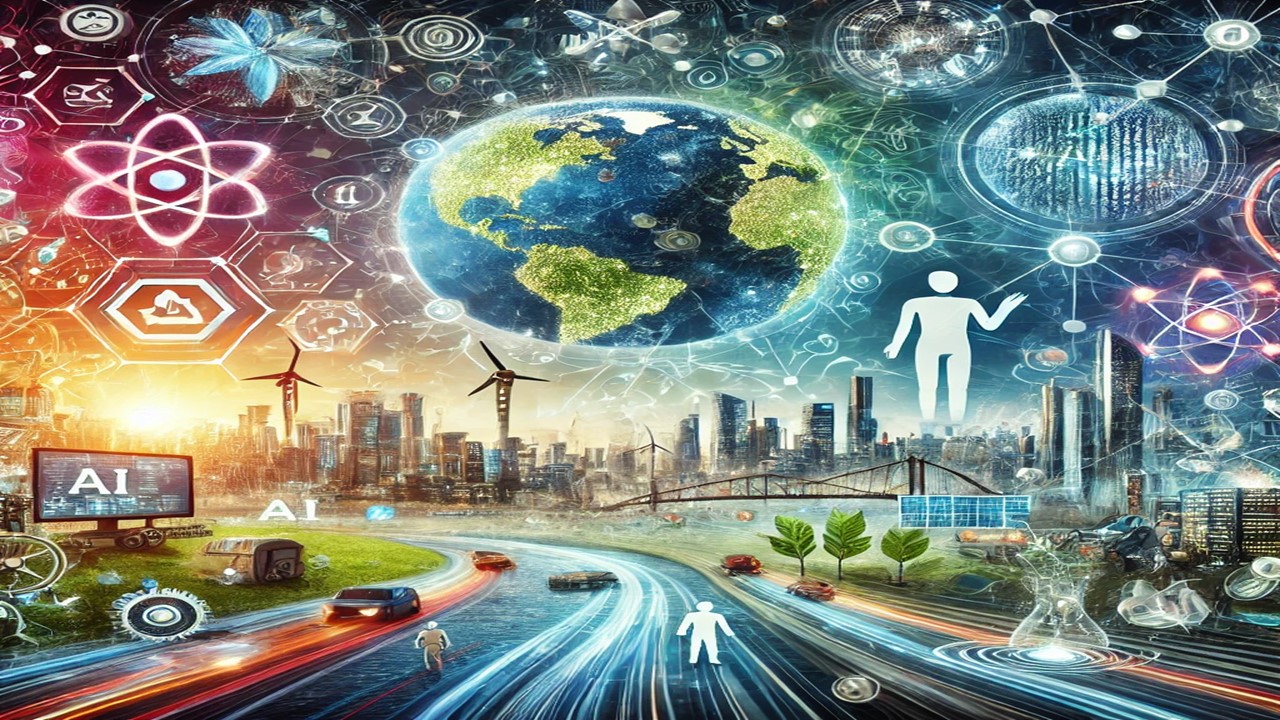
The future of technology is incredibly exciting, but it comes with great responsibility. AI, quantum computing, biotechnology, and the metaverse will all change the world in ways we can’t fully predict yet. But we must ensure that these advancements benefit everyone, not just a select few. As technology leaders and as a society, we must focus on using these tools to build an inclusive, sustainable, and ethical future.
The choices we make today will shape the world we live in tomorrow. If we’re thoughtful and intentional, we can harness the power of technology to create a future where innovation improves lives and makes the world a better place for all of us.